
As 2025 approaches, the advantages of LED displays become increasingly apparent. Their exceptional visual quality captivates audiences with vibrant colors and sharp details. Coupled with energy efficiency, these displays promise substantial cost savings for both businesses and consumers. Furthermore, their versatility allows for diverse applications across various sectors led panel. Yet, the true impact of LED technology extends beyond these benefits, hinting at a broader transformation in how we interact with visual media.
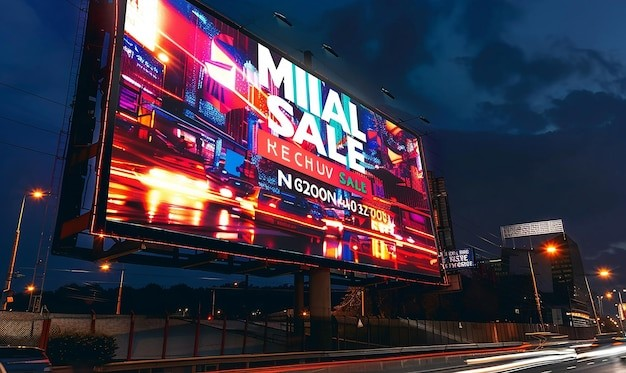
Exceptional Visual Quality
Exceptional visual quality is one of the standout features of LED displays, enthralling audiences with vibrant colors and sharp images.
The remarkable color accuracy of LED technology guarantees that shades are rendered with fidelity, enhancing the viewer’s experience. This precision allows for true-to-life representations, which is especially vital in fields such as art and design.
Additionally, high pixel density contributes to the clarity of images, providing crisp details even at close viewing distances. The combination of these elements allows LED displays to outperform traditional options, making them ideal for various applications, from advertising to home entertainment.
As audiences increasingly seek immersive experiences, the exceptional visual quality of LED displays stands as a compelling reason for their widespread adoption.
Energy Efficiency and Cost Savings
LED displays are renowned for their reduced energy consumption compared to traditional lighting options, making them a sustainable choice for various applications.
This energy efficiency not only contributes to environmental benefits but also results in significant long-term cost savings for businesses.
As organizations increasingly prioritize budget-friendly solutions, the economic advantages of adopting LED technology become increasingly evident.
Reduced Energy Consumption
While many lighting technologies consume significant amounts of energy, LED displays stand out for their remarkable energy efficiency, offering substantial cost savings over time.
These displays utilize advanced smart lighting technology, which optimizes power usage and reduces waste. This efficiency is particularly evident in digital signage applications, where LEDs can operate effectively with minimal energy, making them an ideal choice for businesses aiming to lower operational costs.
By minimizing energy consumption, companies not only save money but also contribute to a more sustainable future.
The integration of LEDs in various environments allows for brighter, more dynamic displays without the hefty energy bills, empowering users to embrace innovative solutions while enjoying the freedom of lower costs and reduced environmental impact.
Long-Term Cost Benefits
Investing in LED displays offers significant long-term cost benefits that extend beyond mere energy efficiency.
These displays not only consume less power but also boast reduced maintenance costs, as they typically have longer lifespans compared to traditional lighting technologies. This durability translates into fewer replacements and lower overall upkeep expenses, enhancing investment returns over time.
Businesses can allocate the savings on energy and maintenance to other areas, further promoting growth and innovation. Additionally, the initial investment in LED technology is often recouped quickly through these savings, making it a financially sound choice.
In a world where operational freedom is paramount, LED displays empower organizations to thrive while minimizing their financial burdens.

Versatility for Various Applications
As technology continues to evolve, the versatility of LED displays becomes increasingly evident across a wide range of applications.
In outdoor advertising, digital billboards capture attention with vibrant visuals, enhancing brand visibility. Event displays utilize LED technology to create immersive experiences, while retail signage transforms shopping environments into dynamic spaces that engage customers.
Additionally, LED displays serve a critical role in disseminating public information, ensuring timely communication. Artistic installations leverage the adaptability of LEDs to create stunning visual art, while educational tools utilize these displays to enhance learning experiences.
In gaming environments, LED technology elevates the user experience, providing dynamic graphics and interactive elements.
This multifaceted utility underscores the transformative potential of LED displays in modern society.
Enhanced Durability and Longevity
The benefits of LED displays extend beyond their versatility, prominently featuring enhanced durability and longevity.
These displays are engineered to withstand various environmental challenges, showcasing remarkable impact resistance that guarantees they remain functional even in demanding conditions. This durability translates to fewer maintenance requirements and reduced replacement costs, appealing to businesses seeking long-term investment.
Additionally, the weatherproof design of LED displays allows them to thrive in outdoor settings, resisting moisture, dust, and temperature fluctuations. This resilience not only prolongs the lifespan of the displays but also maintains their visual performance over time.
Consequently, organizations can enjoy uninterrupted service and vibrant displays, making LED technology an ideal choice for those who value both reliability and freedom from frequent upkeep.

Environmentally Friendly Choice
A growing number of organizations are recognizing LED displays as an environmentally friendly choice in modern technology.
These displays often utilize sustainable materials, contributing to reduced environmental impact compared to traditional lighting options. Their energy-efficient operation greatly lowers power consumption, leading to decreased carbon footprints.
Additionally, many manufacturers are now implementing recycling options for outdated or damaged LED units, promoting a circular economy and minimizing electronic waste.
This commitment to sustainability resonates with environmentally conscious consumers and businesses, aligning with a broader movement toward greener practices.
Seamless Integration With Technology
Choosing LED displays not only reflects a commitment to sustainability but also facilitates seamless integration with existing technologies.
These displays are designed to work harmoniously with smart devices, enhancing user experiences across various platforms. For instance, interactive displays embedded in conference rooms or public spaces allow for effortless connectivity, enabling users to share content directly from their smartphones or tablets.
This interoperability not only streamlines communication but also promotes collaboration in both personal and professional settings.
Additionally, the adaptability of LED technology guarantees that these displays can evolve alongside emerging innovations, making them a future-proof choice.
As the demand for interconnected systems grows, LED displays stand out as a versatile solution that embraces the freedom of connectivity and user engagement.
Conclusion
In 2025, the advantages of LED displays are compelling and multifaceted. Their superior visual quality captivates audiences, while energy efficiency leads to substantial savings for users. The versatility of LED technology caters to diverse applications, from retail to outdoor advertising, complemented by impressive durability and longevity. Additionally, their eco-friendly design aligns with sustainability goals, making LED displays a wise investment. As technology continues to evolve, embracing these benefits will position businesses and consumers for success in a visually-driven future.